Christian Heritage Sites in the Holy Land
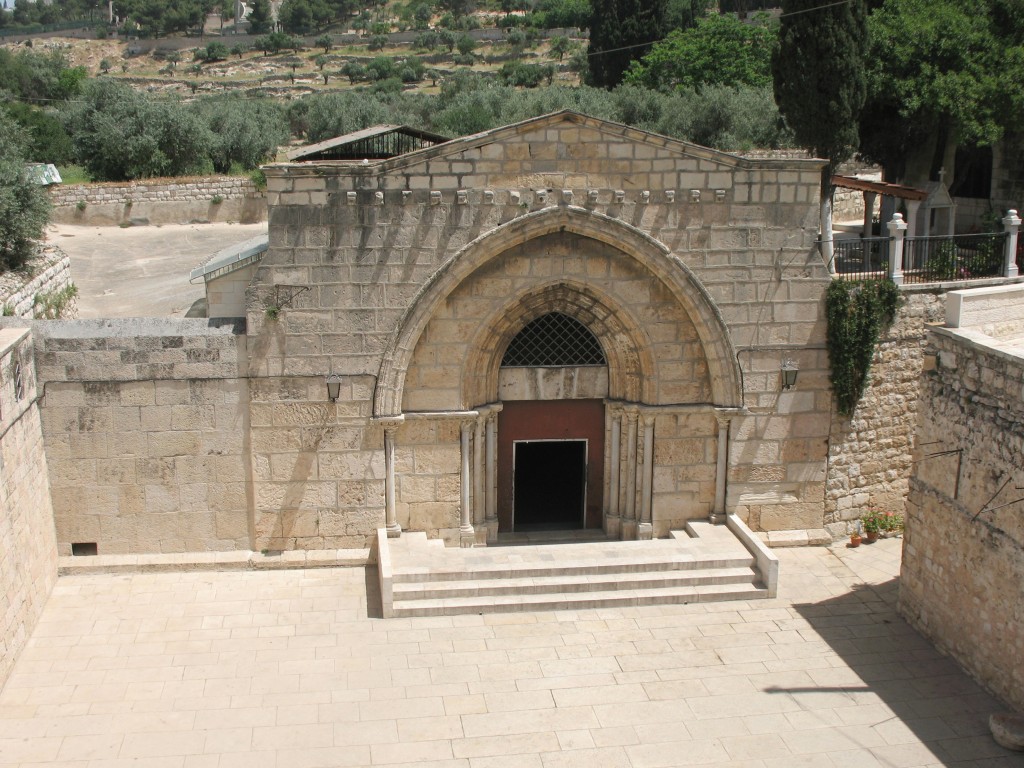
Tomb of the Virgin Mary
A rock‑cut crypt in the Kidron Valley, revered since at least the Byzantine period as the place where Mary was buried before her Assumption. Mary is honored as the mother of Jesus and a model of surrender ("let it be to me according to your word"), but belief in her bodily assumption is Catholic/Orthodox dogma, not biblical — so the site is interesting historically rather than doctrinally binding.
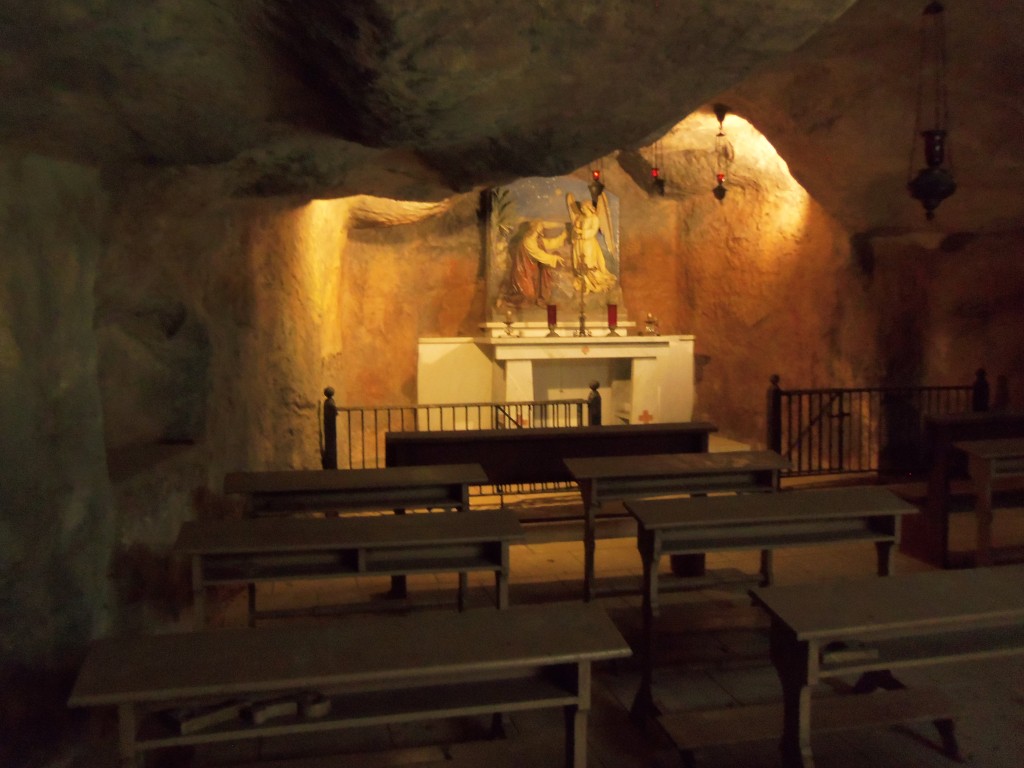
Grotto of Gethsemane
A natural cave near the foot of the Mount of Olives, traditionally identified as the place Jesus and the disciples retreated to after the Last Supper — and where Judas's betrayal and arrest occurred. This is the setting of Christ's agonized prayer ("not my will, but yours"), the supreme New Testament model of submission to the Father's will.
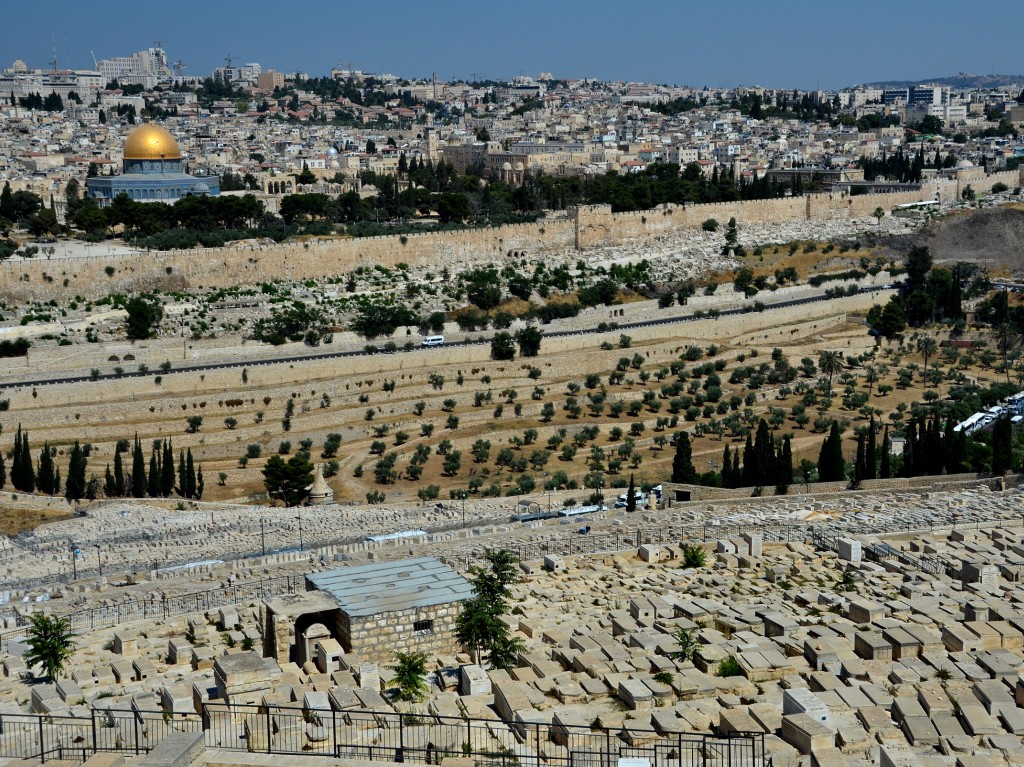
Valley of Josaphat (Jehoshaphat)
Traditionally identified with the Kidron Valley east of Jerusalem, though the biblical "Valley of Jehoshaphat" (named in Joel 3) is not conclusively located; "Jehoshaphat" means "YHWH judges." Joel 3:2, 12 describes God gathering the nations there for judgment, and the "valley of decision" (Joel 3:14) is widely tied to the Day of the Lord.
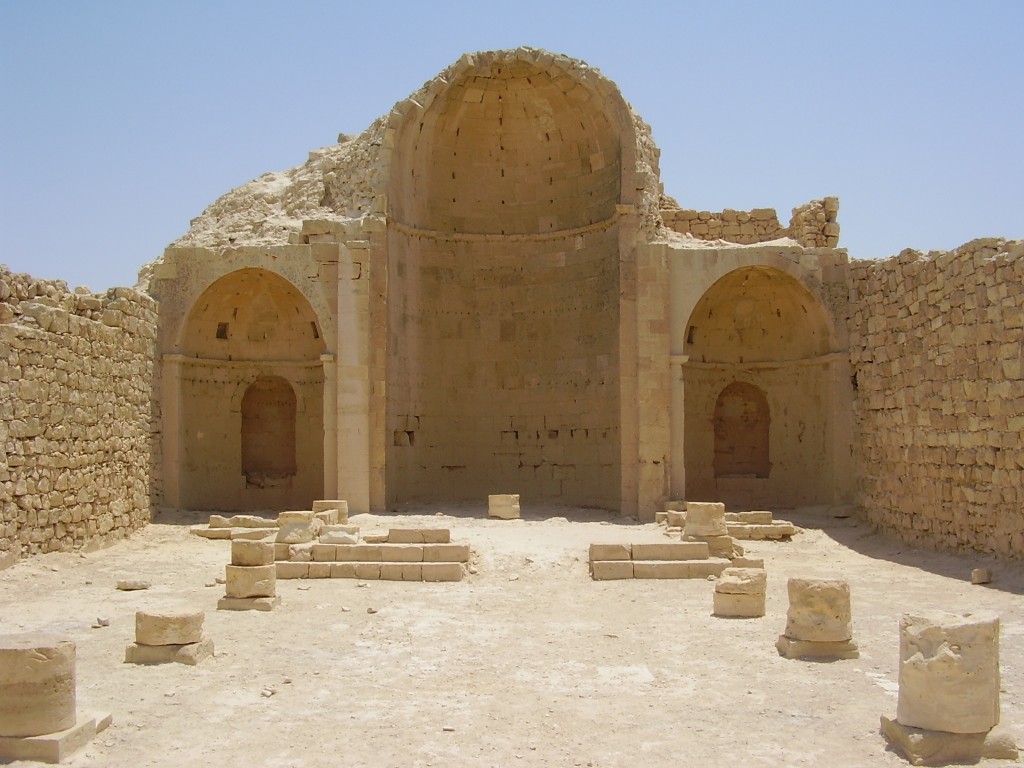
Shivta (Sobata)
A Byzantine Nabataean desert town in the Negev (UNESCO‑listed), with three churches, wine presses, and a rare Transfiguration mural — a monument to the spread of Christianity into the desert. It is evidence of how far and how fast the gospel reached in late antiquity, fulfilling the Great Commission's "to the ends of the earth."
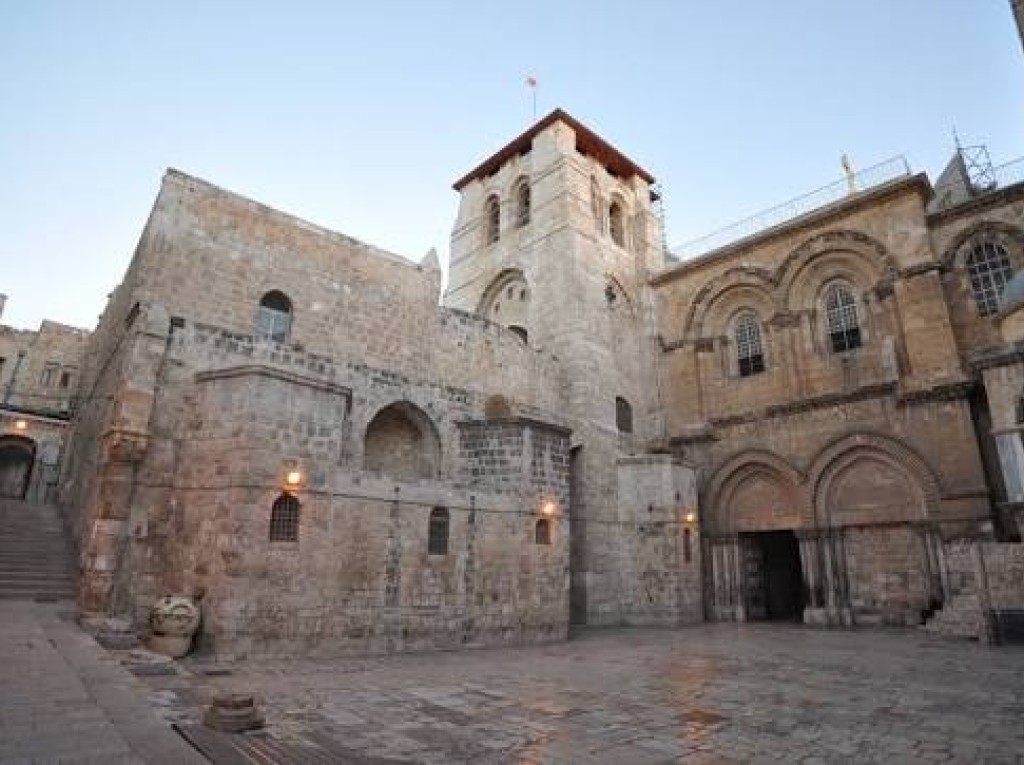
The Martyrs Church
Identification is uncertain — the name fits several Holy Land sites (e.g., a martyrium within the Holy Sepulchre complex, a martyrs' chapel at Hippos‑Sussita, or a local church dedicated to the Holy Martyrs). Across these, the common thread is veneration of those who died for Christ. Martyrdom is honored as the supreme testimony to the truth of the gospel and a New Testament pattern (Acts 7; Revelation).
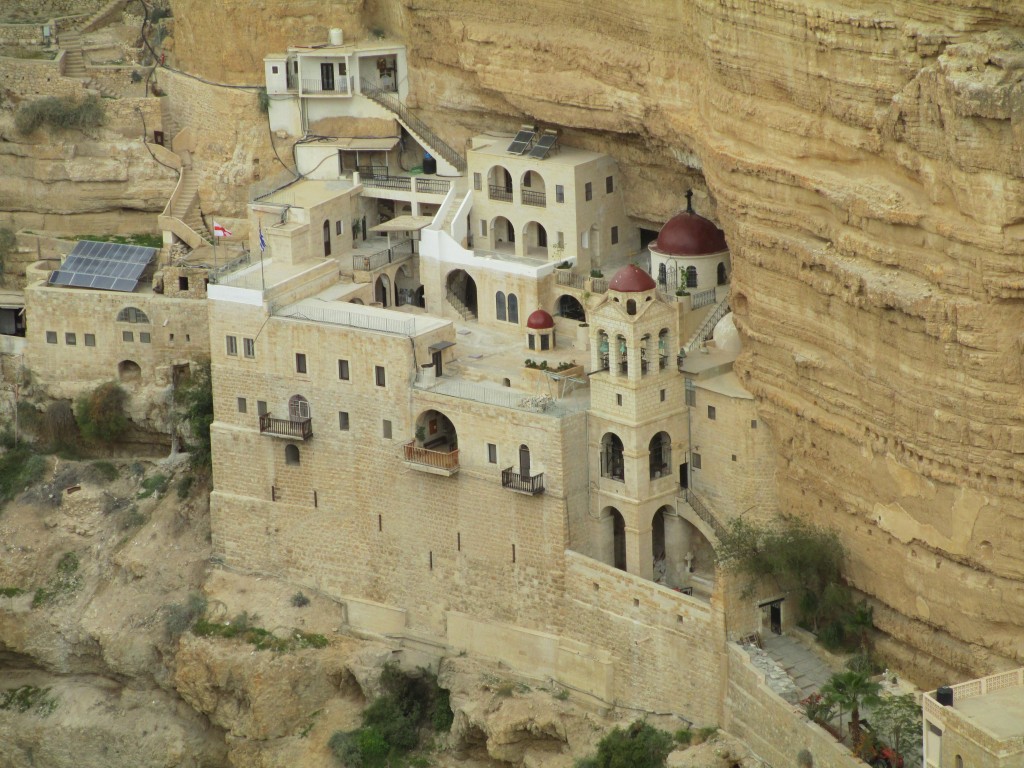
Monastery of Saint George of Choziba
A 6th‑century cliff monastery in Wadi Qelt (the Judaean desert), founded by John of Thebes and tied to the prophet Elijah/Elisha traditions of the wadi. It is a window into the desert monasticism that preserved Scripture and worship through turbulent centuries, even though many readers emphasize the priesthood of all believers over monastic vocation.
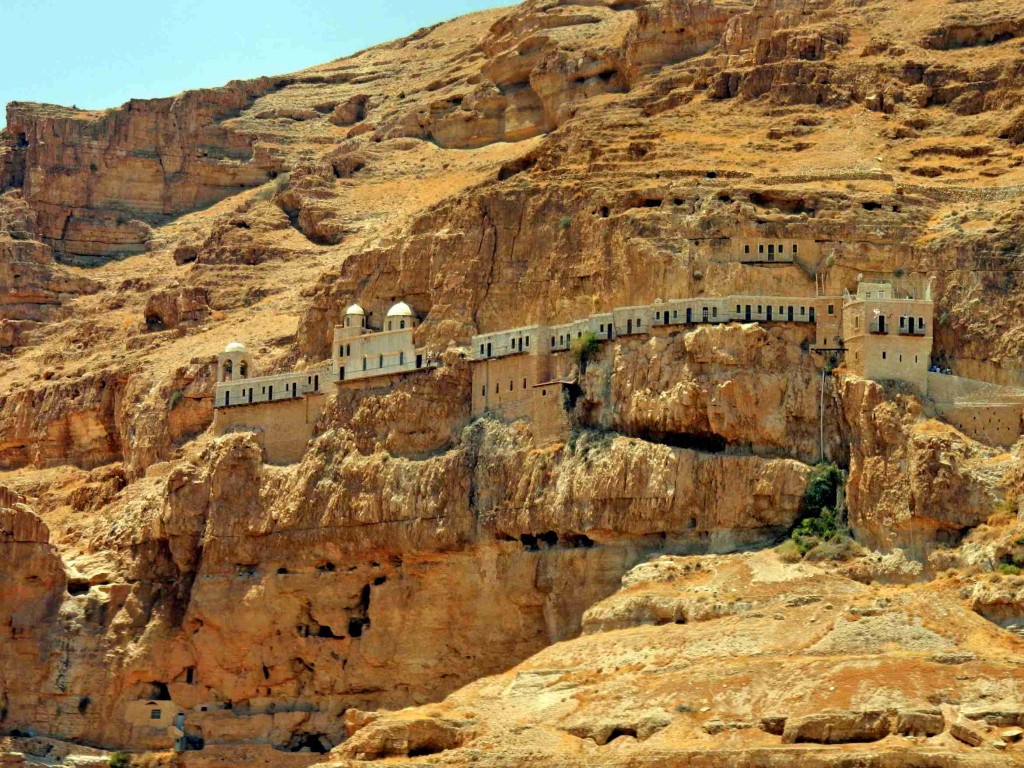
Monastery of the Temptation (Jericho)
A Greek Orthodox monastery on the Mount of Temptation (Jebel Qurutul), built above the cave where tradition places Jesus' 40‑day fast and temptation by Satan. The temptation narrative (Matthew 4) shows Jesus as the true, obedient Son — succeeding where Israel and Adam failed — and as a model for resisting Satan with Scripture.
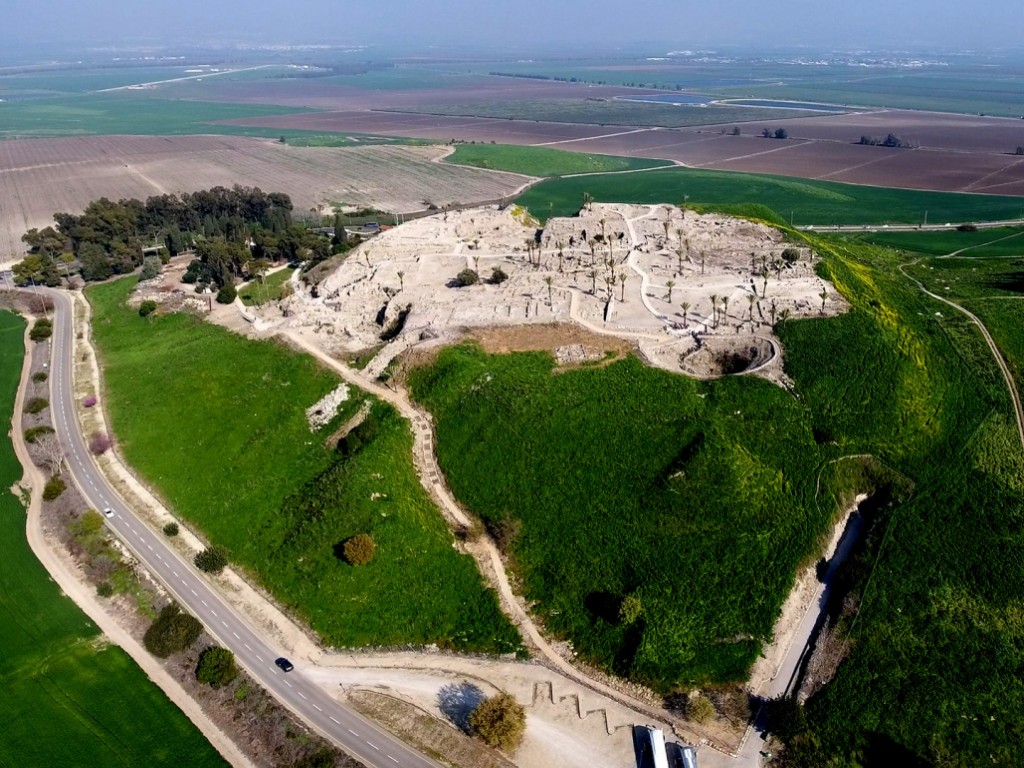
Armageddon — Tel Megiddo
The archaeological mound overlooking the Jezreel Valley, whose name ("Har‑Megiddo") appears once in Scripture, Revelation 16:16, as the place where kings are gathered "for the war of the great day of God, the Almighty." Megiddo is the most explicit place‑name in biblical end‑times prophecy.
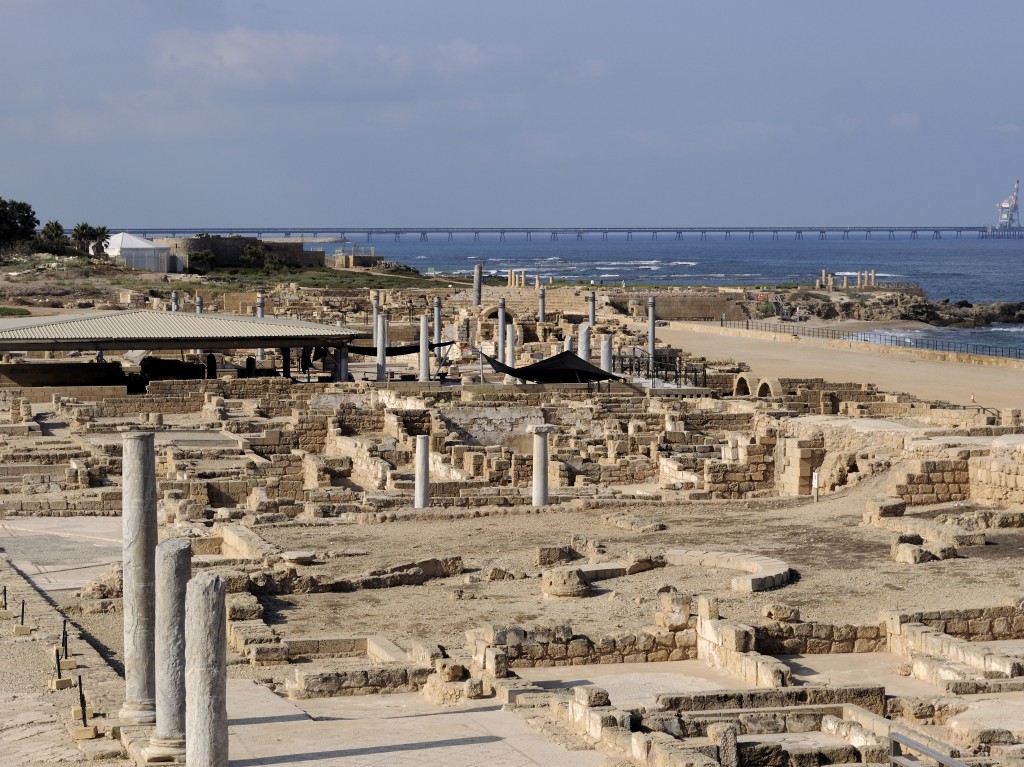
Caesarea Maritima
Herod's great Mediterranean port, where Pontius Pilate resided and where Peter preached to the centurion Cornelius (Acts 10), marking the gospel's decisive turn to the Gentiles. Caesarea is where the Spirit fell on non‑Jews, proving the church is by grace, not ethnicity — a hinge of New Testament theology.
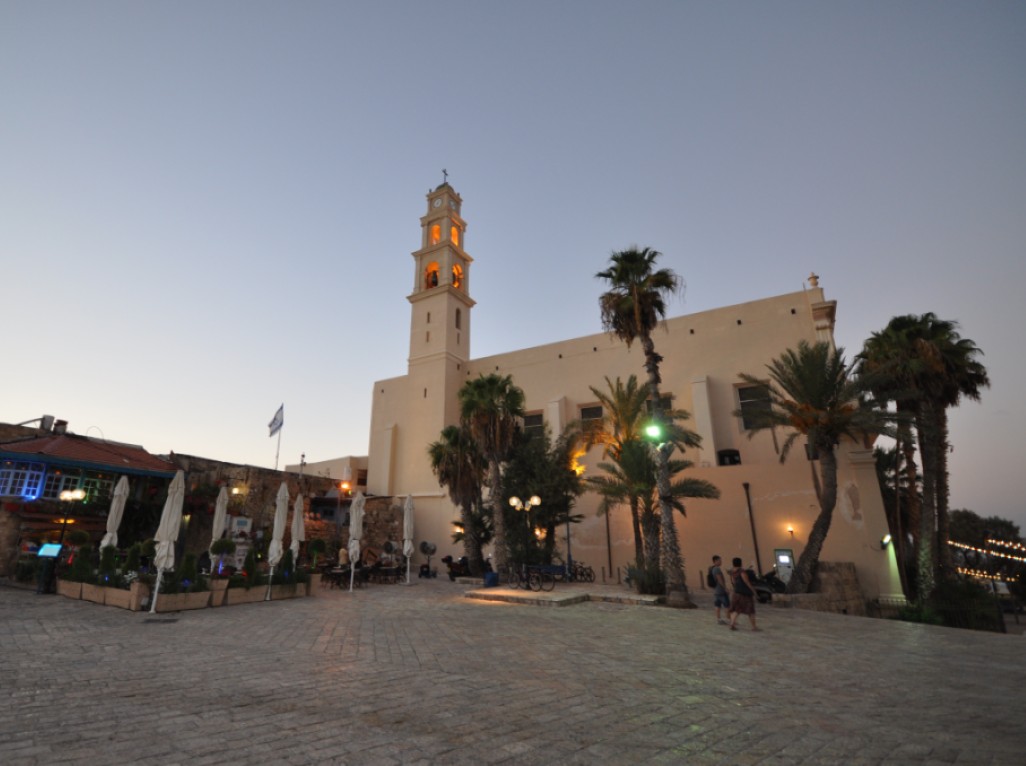
Saint Peter Church, Jaffa
A church in Jaffa commemorating Peter's vision of the sheet (Acts 10) and the raising of Tabitha/Dorcas (Acts 9). This is the spot where Peter was taught that the gospel is "clean" for all peoples — the theology that then bursts open at Cornelius's house.
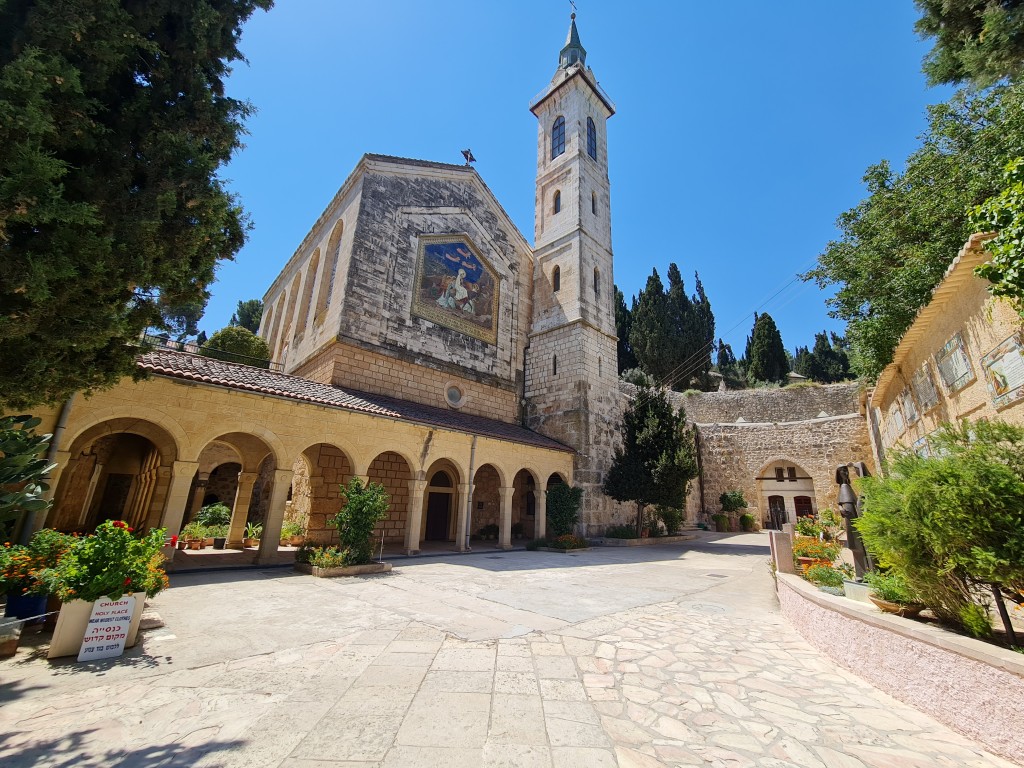
Church of the Visitation
In Ein Karem (Jerusalem), marking Mary's visit to Elizabeth and Mary's Magnificat (Luke 1). The passage is valued for its joyful submission to God and its prophetic echo of Hannah, while the Marian site itself is not typically venerated devotionally outside Catholic tradition.
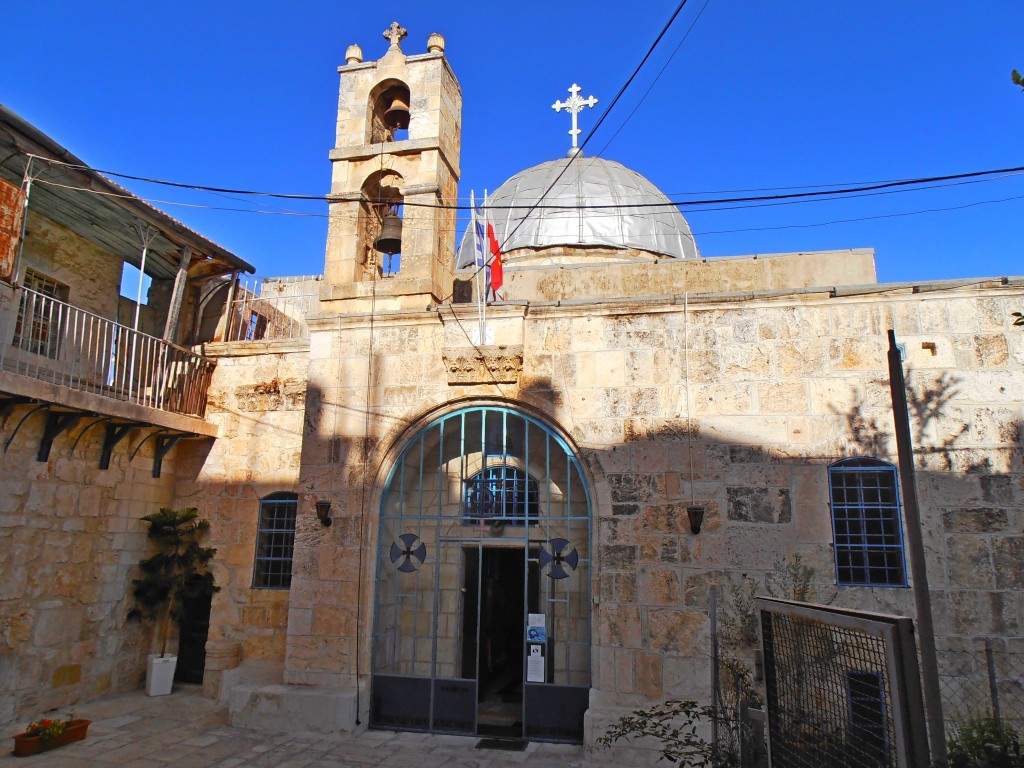
Church of St. John the Baptist
Several churches bear this name; the chief Holy Land ones mark the birth of John the Baptist (Ein Karem) or his ministry. John is revered as the forerunner who prepared the way (Isaiah 40; Malachi 3) and as a fearless prophet of repentance.
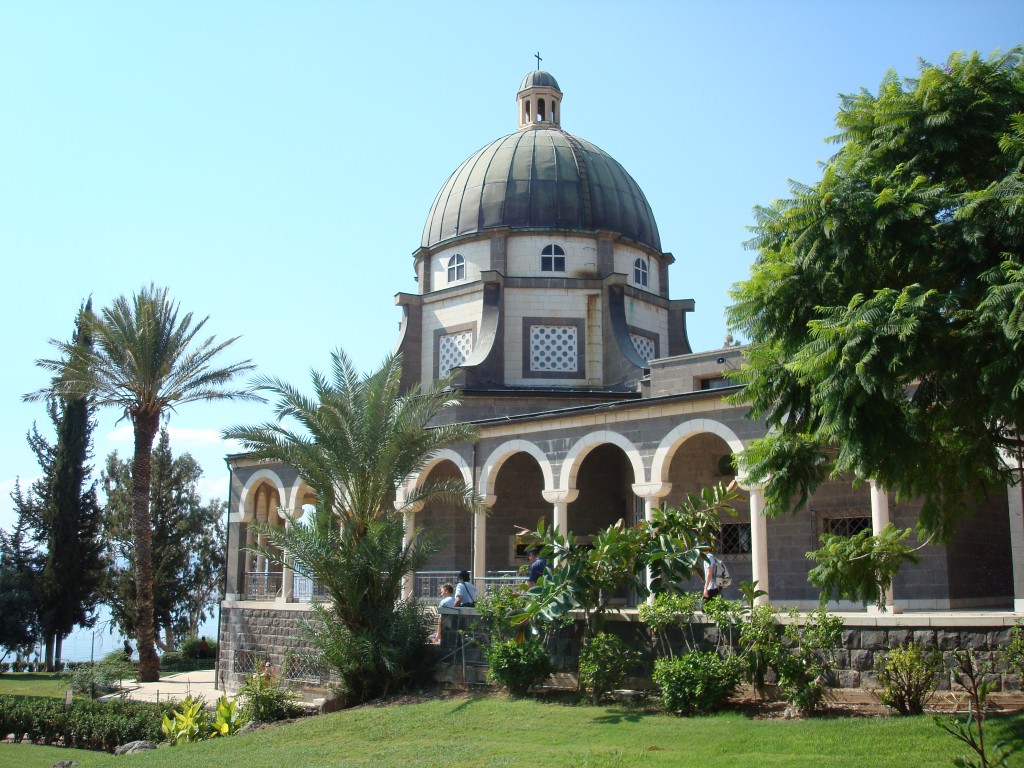
Mount of Beatitudes
The hill above the Sea of Galilee traditionally associated with the Sermon on the Mount (Matthew 5‑7). The Sermon is the clearest ethical teaching of Jesus — a portrait of kingdom life — and a moral compass for many.
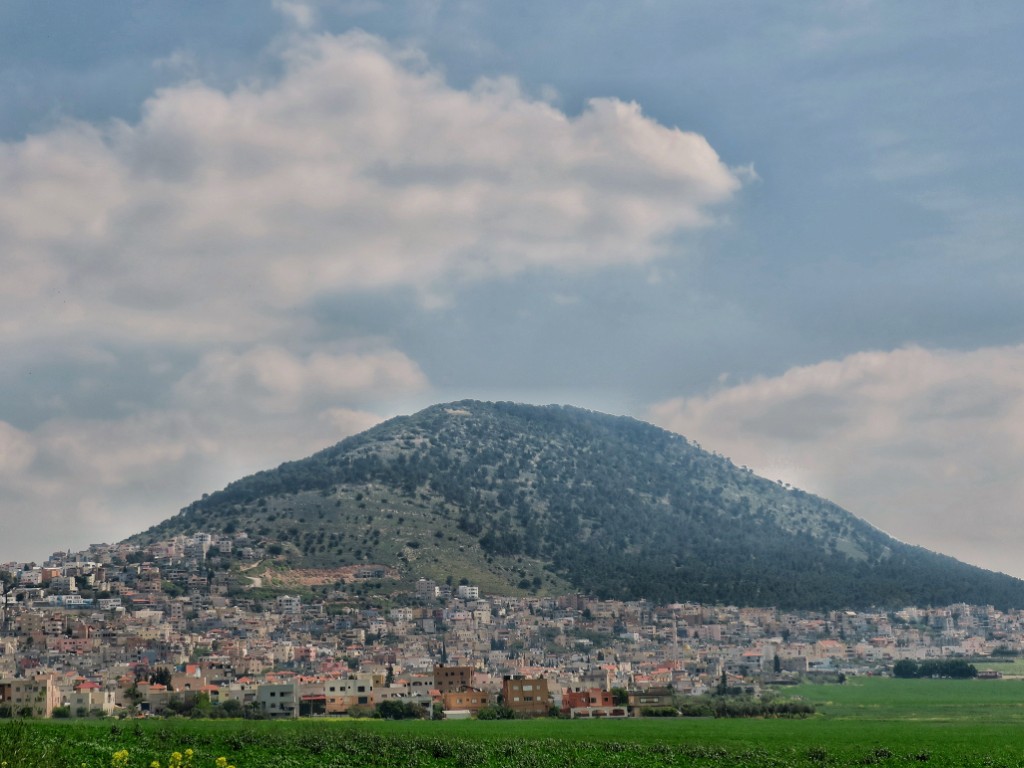
Mount Tabor
The traditional site of the Transfiguration (though some scholars argue for Mount Hermon), where Jesus' glory was revealed to Peter, James, and John. The Transfiguration previews Christ's coming glory and confirms him as the Father's beloved Son, endorsed by Moses and Elijah.
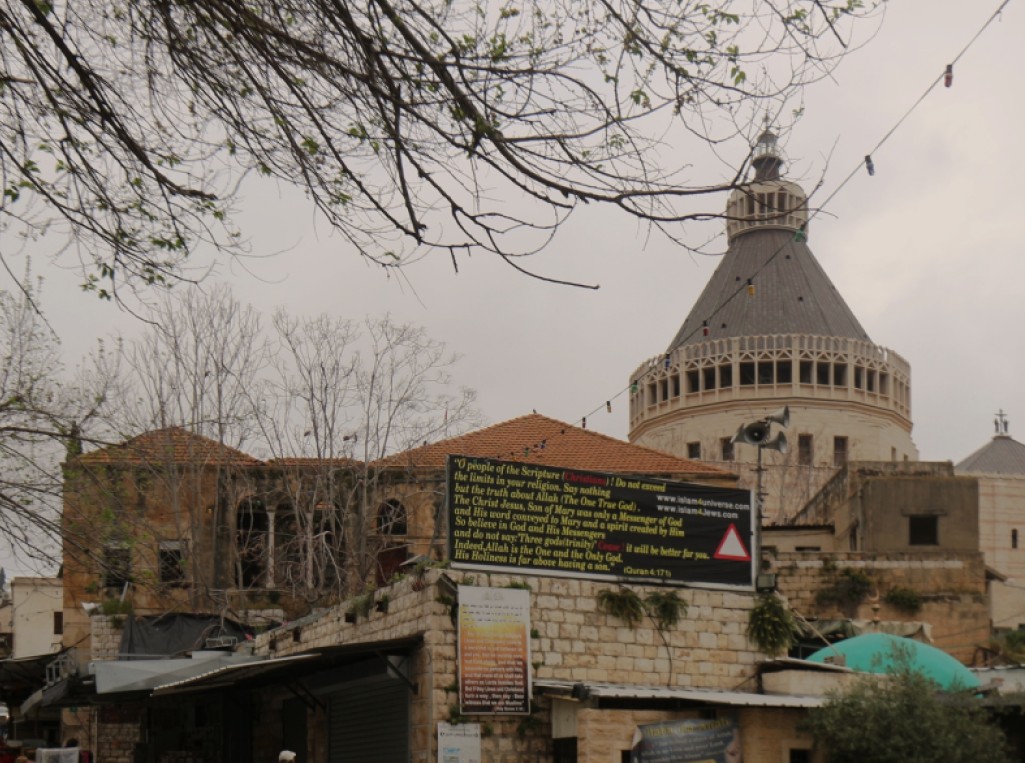
Church of the Annunciation
In Nazareth, over the traditional site of the angel Gabriel's announcement to Mary (Luke 1). The Annunciation is the moment of the Incarnation — the Word becoming flesh — central to the gospel, while the building's Marian devotional emphasis is not shared across all traditions.
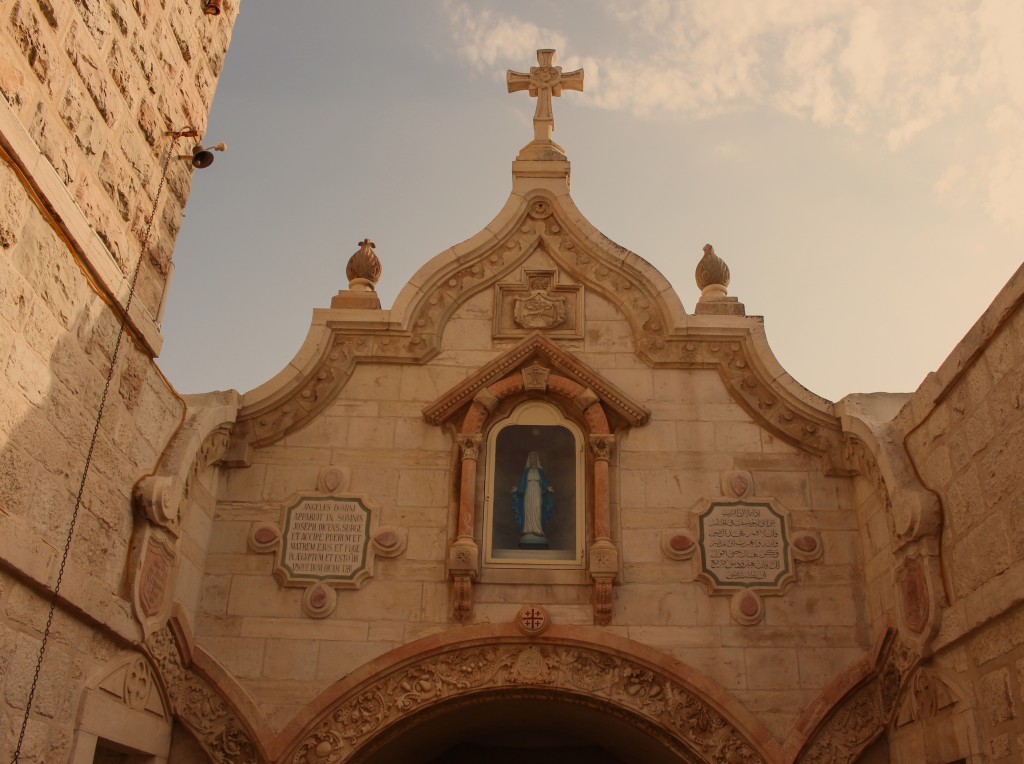
Milk Grotto
A Bethlehem cave where tradition says the Holy Family hid during the flight to Egypt and a drop of Mary's milk whitened the rock. The veneration of the rock is pious legend, not biblical, while the underlying Flight to Egypt narrative (Matthew 2) shows God's protection of the Christ‑child.
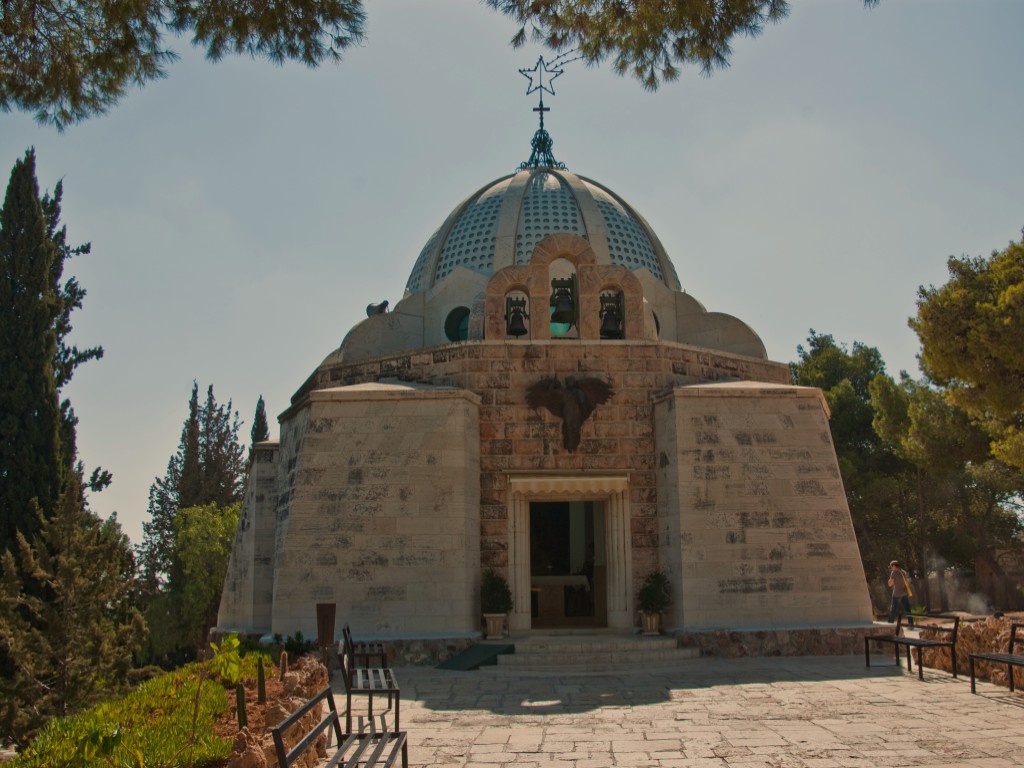
Chapel of the Shepherds' Field
Near Bethlehem, commemorating the angels' announcement to the shepherds at Jesus' birth (Luke 2). This is the first proclamation of the gospel — "good news of great joy... a Savior" — made to humble outsiders.
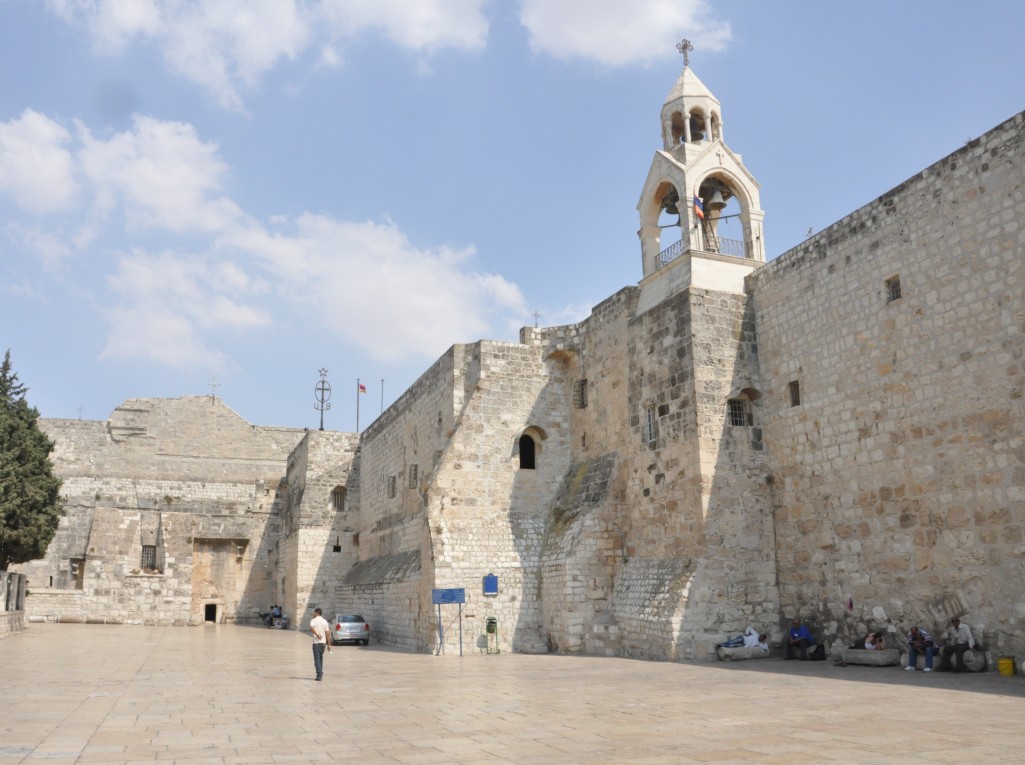
Church of the Nativity
The oldest continuously used church in Christianity, over the traditional birthplace of Jesus in Bethlehem. The Incarnation happened here — God taking on flesh to save — and Bethlehem fulfills Micah 5:2's prophecy of a ruler from "Bethlehem Ephrathah."
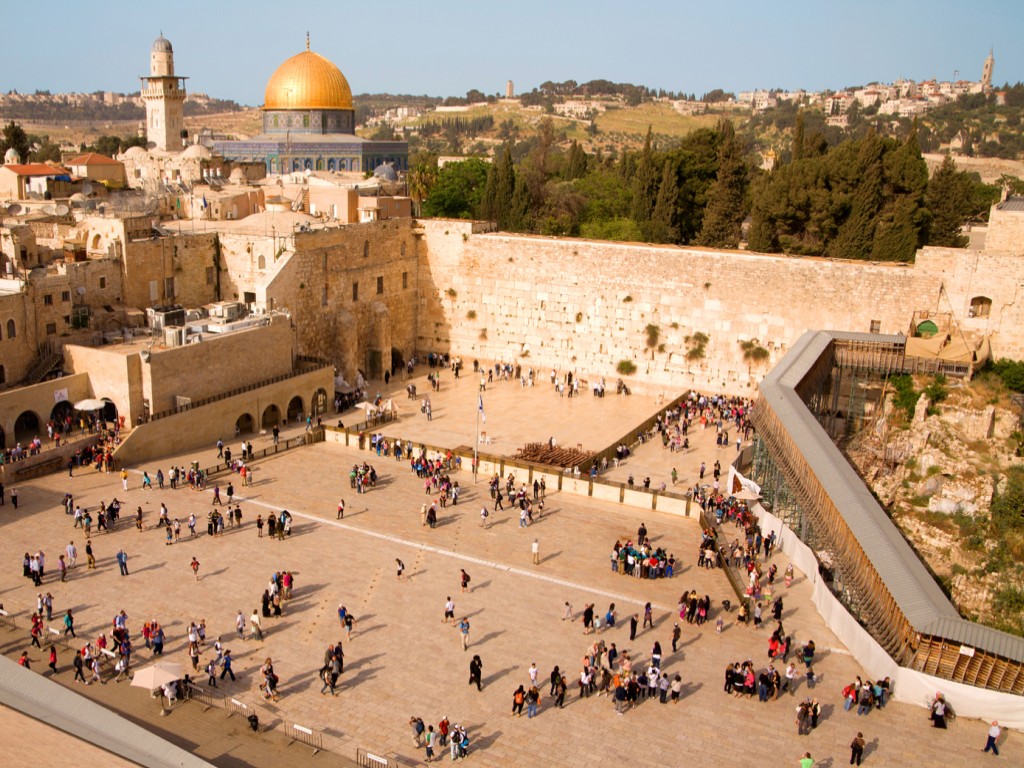
Western Wall
The retaining wall of Herod's Temple Mount, Judaism's holiest prayer site — not a Christian shrine, but central to biblical history. The Temple Mount is where Jesus taught and overturned the tables, and a future temple features in some end‑times readings (2 Thessalonians 2; Daniel 9; Revelation 11).
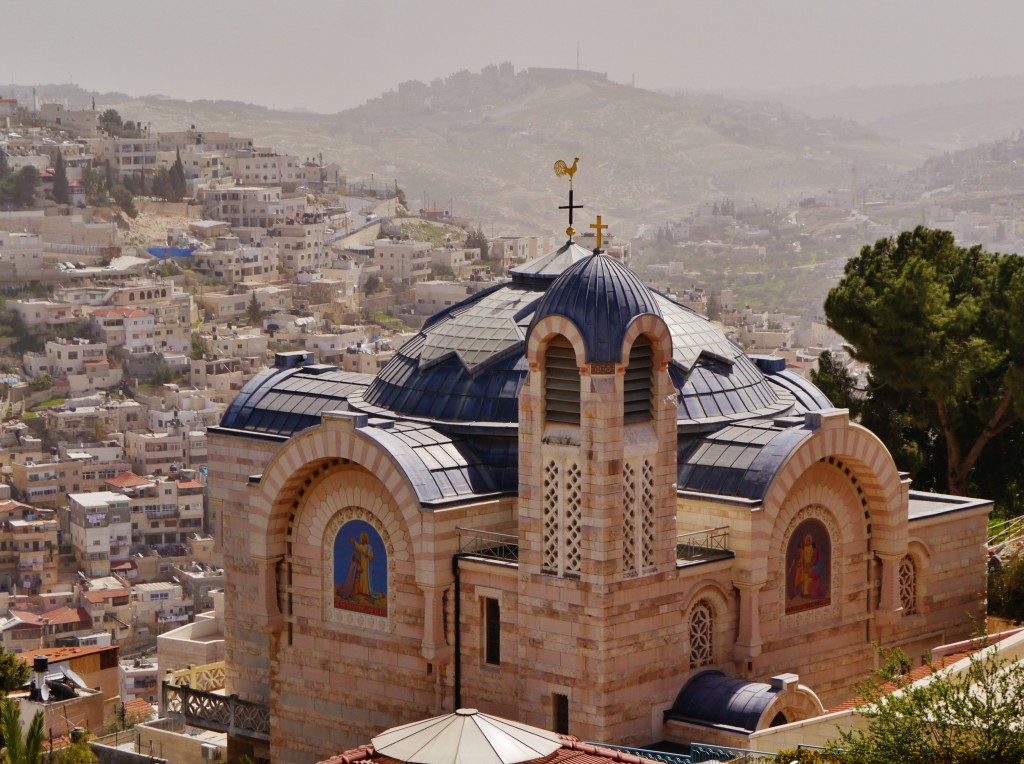
Saint Peter in Gallicantu
A church on the eastern slope of Mount Zion, commemorating Peter's denial of Jesus and the house of Caiaphas where Jesus was tried. This is the site of Peter's failure and Christ's restoring look (Luke 22:61) — a sobering picture of weakness and grace.
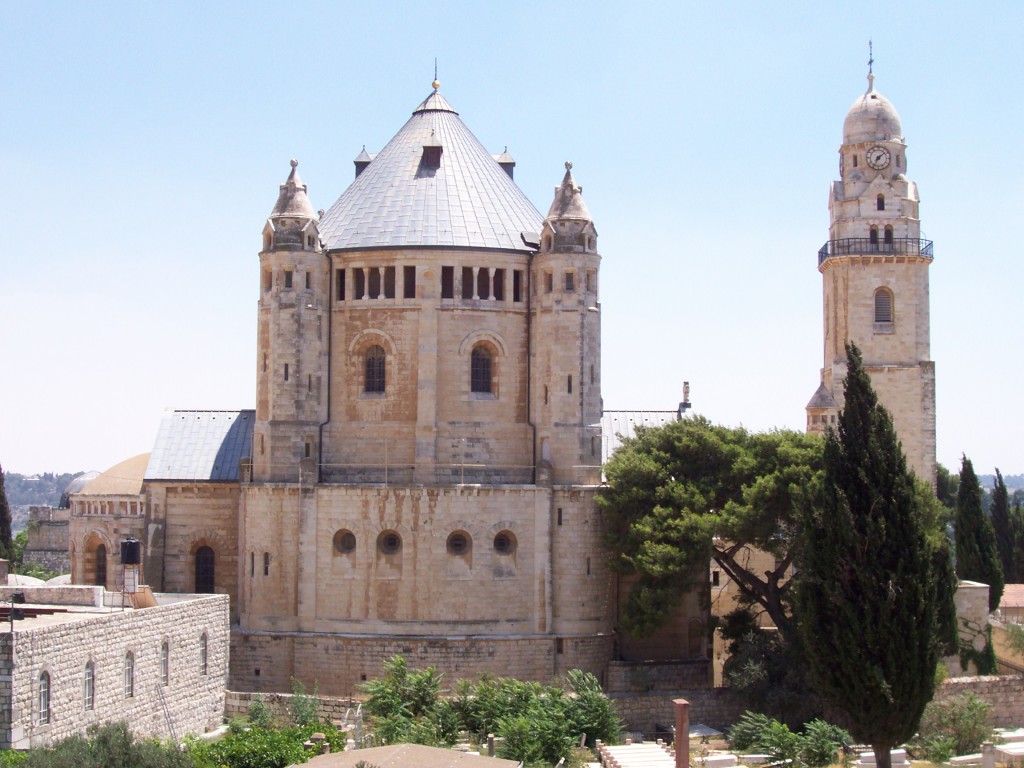
Dormition Abbey — Hagia Maria
A Benedictine abbey on Mount Zion marking the traditional place of Mary's "falling asleep" (dormition) and assumption. Mary is honored, but as with the Tomb, the Dormition/Assumption is Catholic dogma not found in Scripture; the site is of historical and architectural interest more than devotional weight.
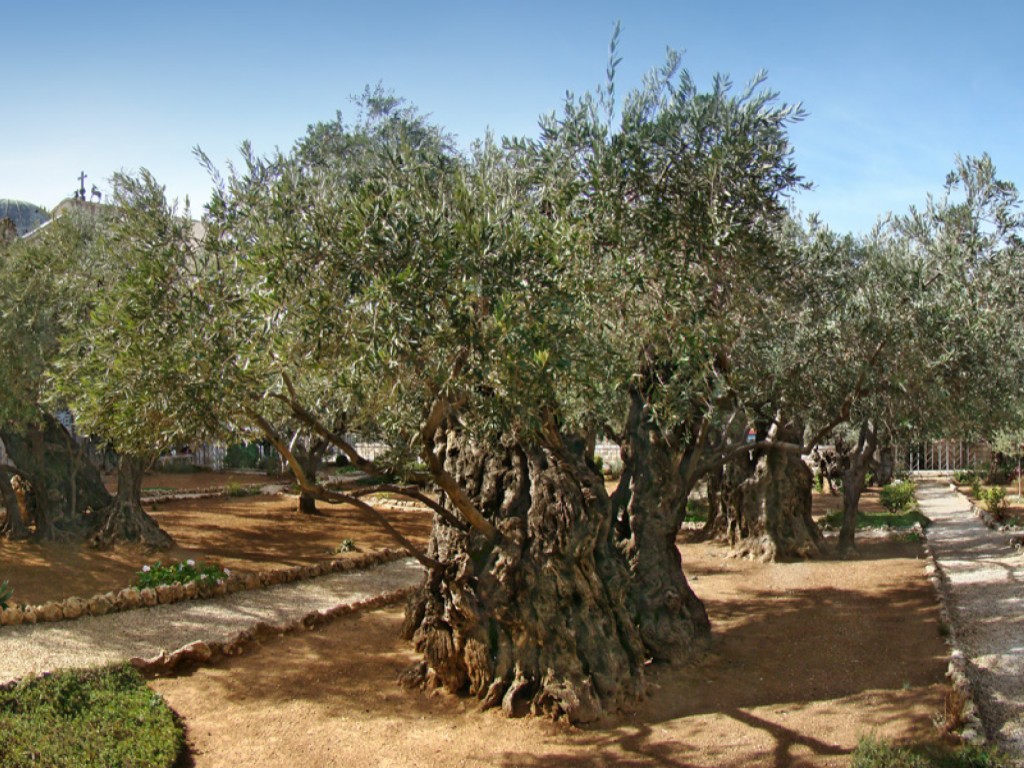
Gethsemane (garden / Mount of Olives slope)
The olive grove where Jesus prayed before his arrest (distinct from the grotto). This is the place of Christ's most intense obedience — "not my will, but yours" — and the voluntary surrender that secures salvation.
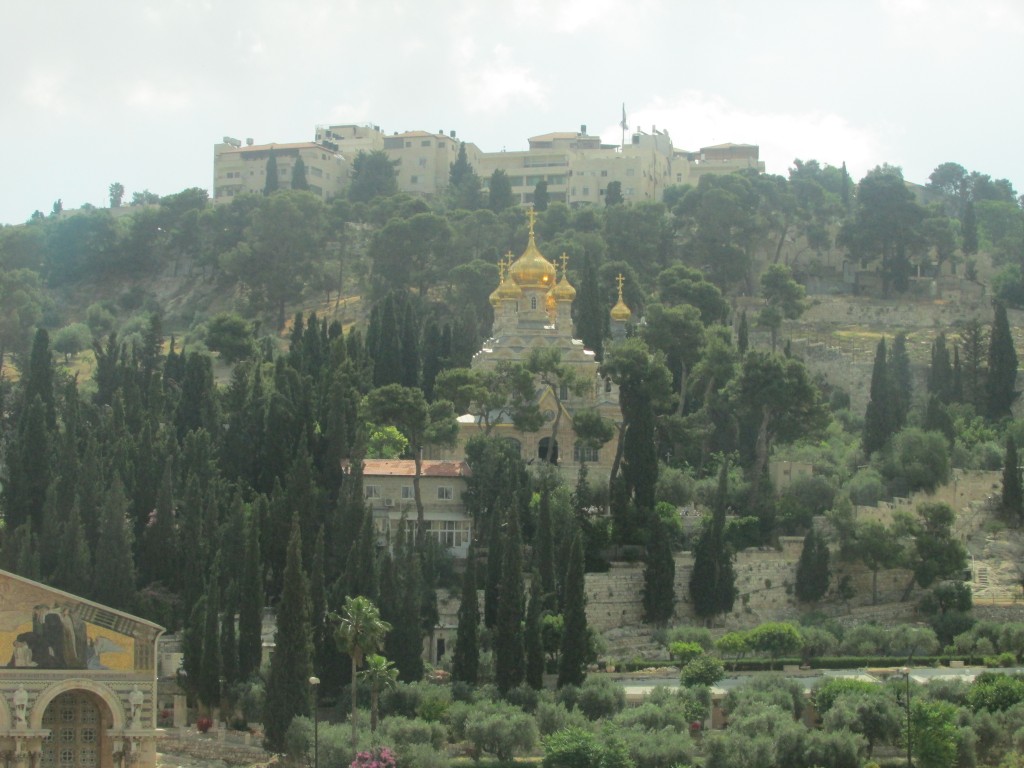
Mount of Olives
The ridge east of Jerusalem from which Jesus ascended (Acts 1:9‑12) and over which he wept for the city (Luke 19). This is the single clearest geographic anchor for the return of Christ in Scripture.
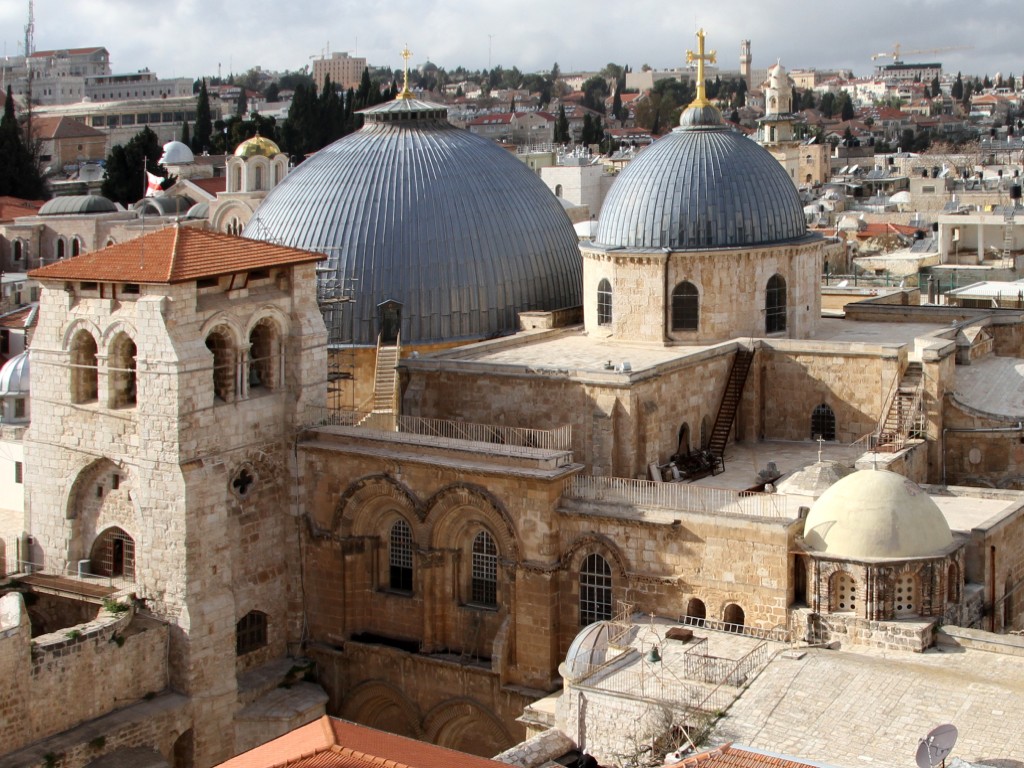
Church of the Holy Sepulchre
The traditional site of Christ's crucifixion, burial, and resurrection — the holiest site in Christianity, shared by several historic churches. The Resurrection is the heart of the gospel (1 Corinthians 15), and here the atonement and victory over death are located. Some Protestants prefer the alternative "Garden Tomb" site, but the Holy Sepulchre carries the older tradition.
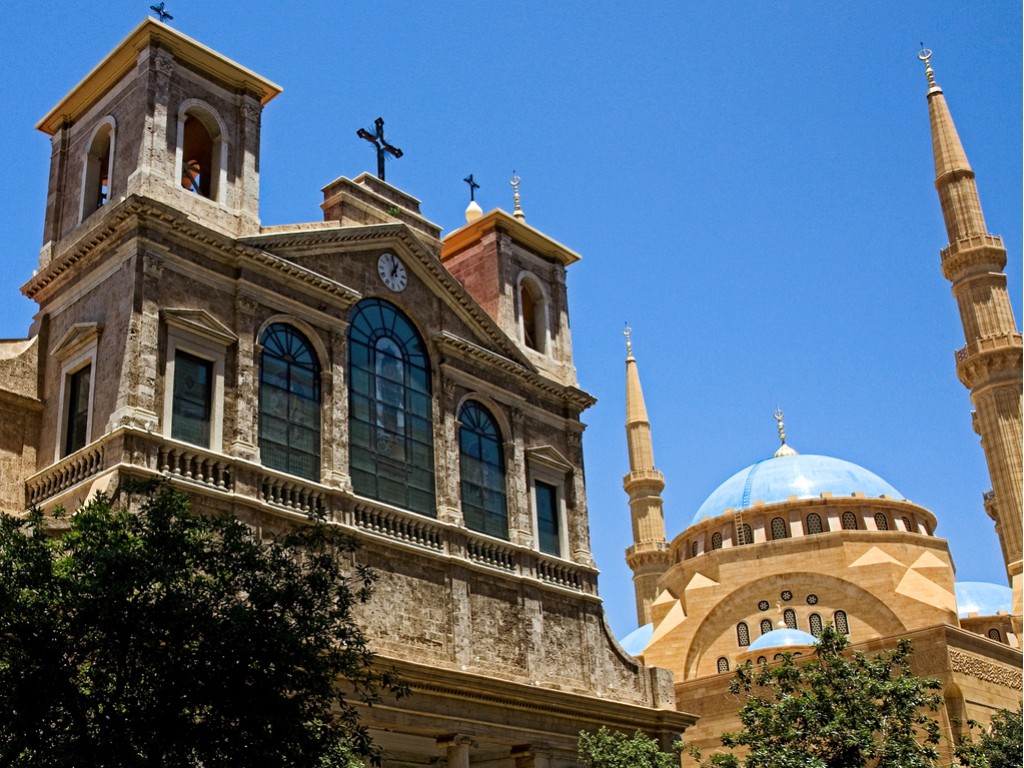
Saint George Maronite Cathedral
A Maronite Catholic cathedral (the name is used for several sees, including Beirut/Haifa). The Maronite tradition is part of the broader Syriac‑Christian heritage — a living link to the early church of Antioch, where believers were first called "Christians" (Acts 11:26).
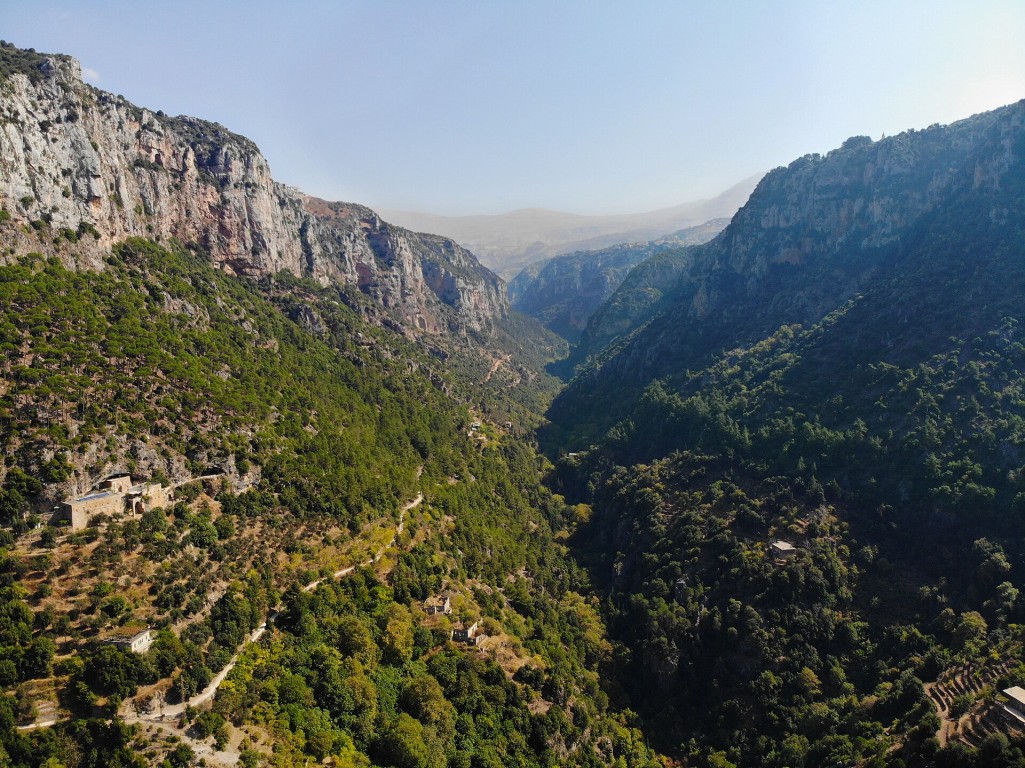
Qanoubine Monastery
A medieval monastery in Lebanon's Qadisha Valley (UNESCO‑listed) that served as the seat of Maronite Patriarchs from the 15th‑19th centuries, and home to Marina the Monk. It is a symbol of a church that survived centuries of persecution by retreating to the mountains — a testimony to endurance, even if monasticism isn't every reader's model.
The Maronite Monastery of Saint Anthony the Great
A monastery near Bchare in the Qadisha Valley, named after the father of monasticism; part of the Maronite tradition of desert asceticism. The seriousness of its devotion commands respect even where its ascetic theology differs; Anthony is honored as one who took Jesus' call to radical discipleship literally.
Church Lady of Deliverance (Our Lady of Deliverance)
A Maronite monastery/church in Daroun, Lebanon, associated with the historic icon of Our Lady of Deliverance brought from Jerusalem; it became a Maronite patriarchal seat. The heritage of a community preserving an icon through persecution is admirable, while icon‑veneration devotionally is not shared across all traditions.
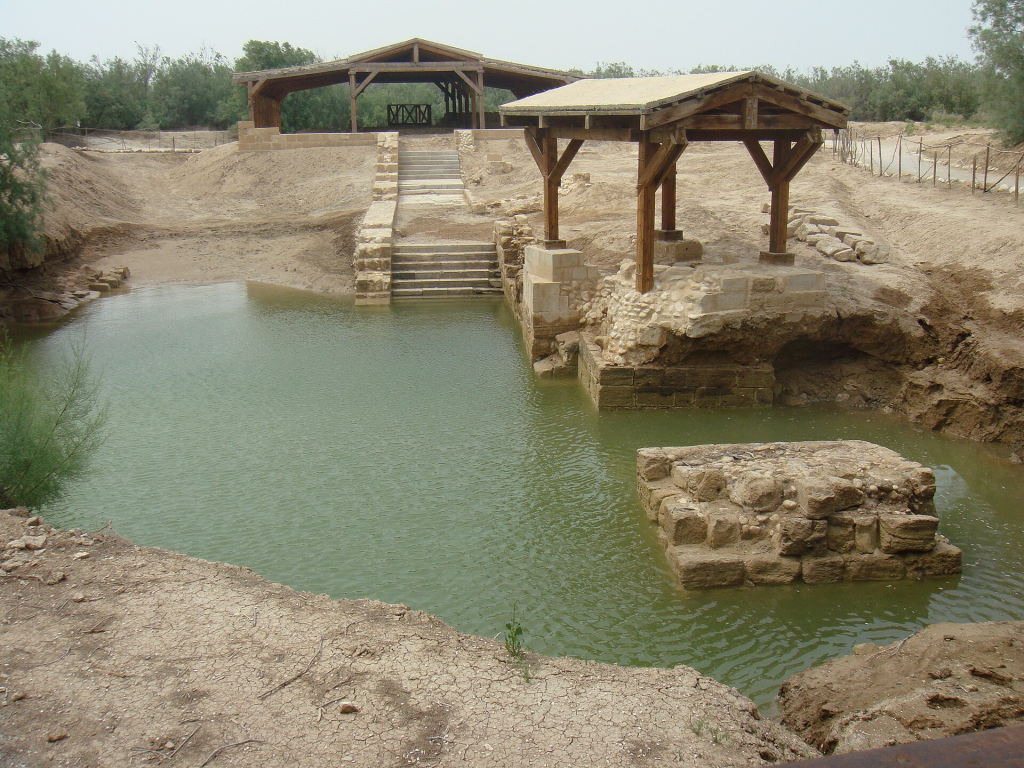
The Baptismal Site of Jesus Christ
A UNESCO site on the Jordan's east bank, venerated since Byzantine times as the place of Jesus' baptism by John, also tied to Elijah's traditional ascent. The baptism is where the Father affirmed Jesus ("You are my beloved Son") and the Spirit descended — the Father‑Son‑Spirit revelation at the start of Jesus' ministry.